
.avif)
Electronic Dance Music, commonly known as EDM, encompasses a broad spectrum of percussive electronic music genres crafted primarily for nightclubs, raves, and festivals. Over the years, EDM has branched out into a myriad of styles and subgenres, each possessing its unique sound and cultural significance. In this comprehensive guide, we will delve into the origins, explore popular subgenres, and examine the cultural impact of EDM, offering you a detailed understanding of this dynamic music genre.
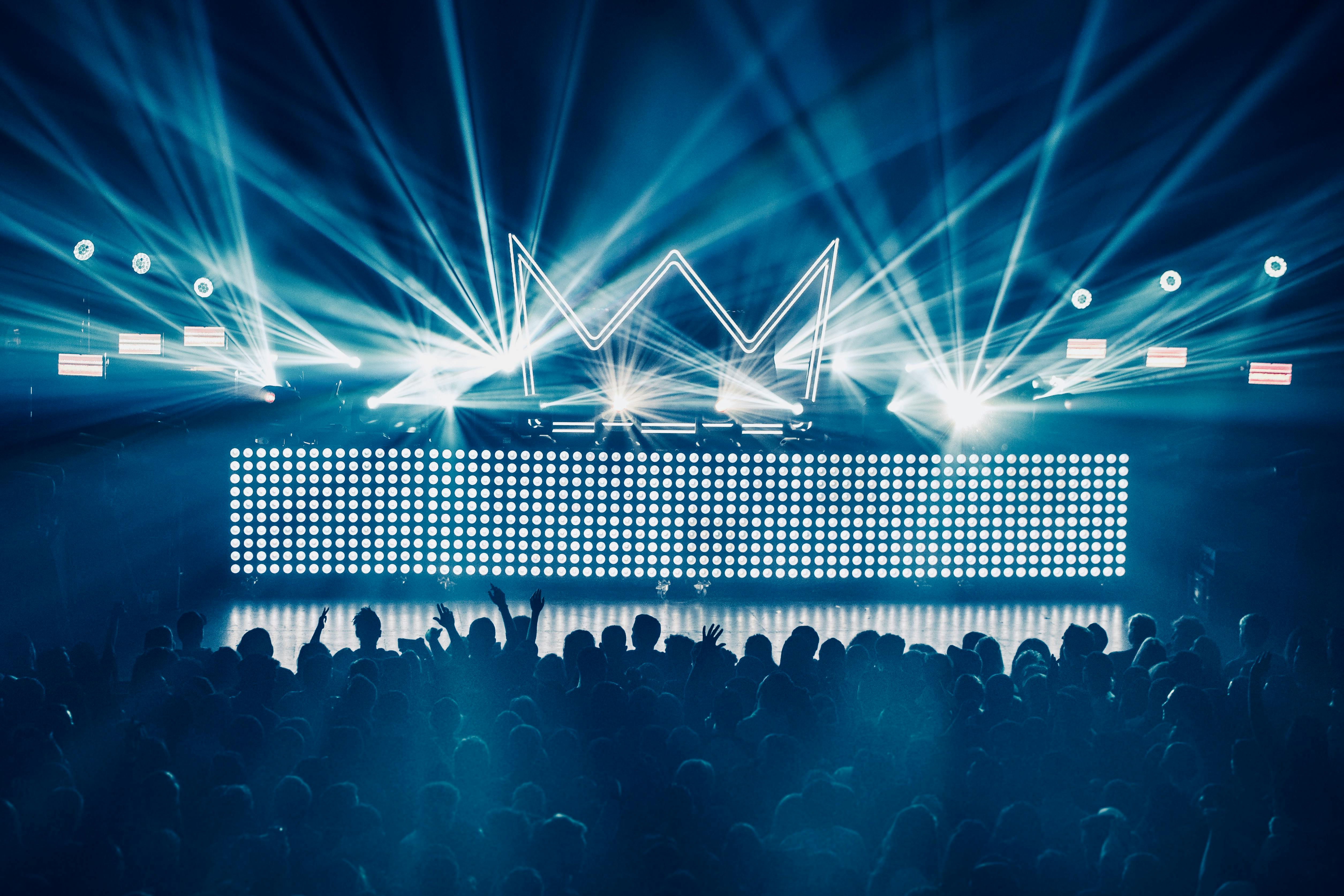
The origins of Electronic Dance Music (EDM) can be traced back to the late 1970s and early 1980s, a pivotal era when electronic instruments and synthesizers began revolutionizing music production. This period marked the beginning of a musical revolution as artists started integrating electronic sounds into their compositions. The genre drew significant influence from disco, house, and techno music, which were immensely popular in nightclubs at the time. As technology advanced, musicians and producers began to experiment with a variety of new sounds, paving the way for the birth of numerous EDM subgenres.
The Birth of Electronic Instruments
The late 1970s saw the rise of electronic instruments such as drum machines and synthesizers, which played a crucial role in shaping the sound of EDM. These instruments allowed for the creation of new, innovative sounds that were not possible with traditional instruments. Artists began to explore the limitless possibilities offered by these electronic tools, leading to the development of unique soundscapes that defined early EDM.
Disco's Influence on EDM
Disco music, with its infectious rhythms and danceable beats, significantly influenced the early development of EDM. The disco era emphasized electronic instrumentation and production techniques, laying the groundwork for the evolution of electronic music. As disco evolved, it merged with electronic elements, eventually giving rise to early forms of house and techno music.
Technological Advancements and Experimentation
As technology continued to evolve in the 1980s, artists and producers had access to more sophisticated equipment, allowing them to push the boundaries of sound. This era saw the emergence of digital audio workstations (DAWs) and advanced synthesizers, enabling musicians to experiment with new sounds and styles. This experimentation led to the creation of diverse subgenres within EDM, each with its own distinct characteristics.
What Does EDM Stand For?
EDM stands for Electronic Dance Music, a term that encompasses a wide range of musical styles primarily designed for dance-based environments. It is characterized by its use of electronic instruments and production techniques, creating music that is both rhythmic and immersive. EDM's versatility and adaptability have contributed to its enduring popularity in the music industry.
Is House Music EDM?
House music is indeed considered a subgenre of EDM. It originated in Chicago in the early 1980s and is known for its repetitive 4/4 beat and synthesized basslines. House music's infectious energy and dance-friendly rhythms have made it a staple in nightclubs and festivals worldwide, solidifying its status as one of the foundational genres of EDM.
Popular EDM Subgenres
EDM is a vast and diverse genre with numerous subgenres, each offering something unique to listeners. Here's an in-depth look at some of the most popular EDM subgenres and their defining characteristics:
House
House music is one of the foundational genres of EDM, recognized for its upbeat and energetic tempo. It often features a steady four-on-the-floor beat, making it ideal for dancing. House music has given birth to several subgenres, including deep house, tech house, and progressive house, each with its distinct sound and style.
Deep House
Deep house is a subgenre of house music characterized by its soulful and melodic elements. It often incorporates smooth, jazzy chords and a relaxed tempo, creating a laid-back and immersive listening experience. Deep house is known for its ability to evoke emotions and transport listeners to a serene and introspective state.
Tech House
Tech house combines elements of house and techno, resulting in a fusion of groovy rhythms and minimalistic beats. It is characterized by its emphasis on percussion and basslines, creating a hypnotic and infectious groove. Tech house is often played in underground clubs and is favored by DJs for its dancefloor appeal.
Progressive House
Progressive house is known for its gradual build-ups and euphoric breakdowns, creating a sense of anticipation and release. It often features melodic elements and intricate layers of sound, providing a dynamic and uplifting experience. Progressive house is popular at festivals and large-scale events, where its anthemic quality can captivate audiences.
Techno
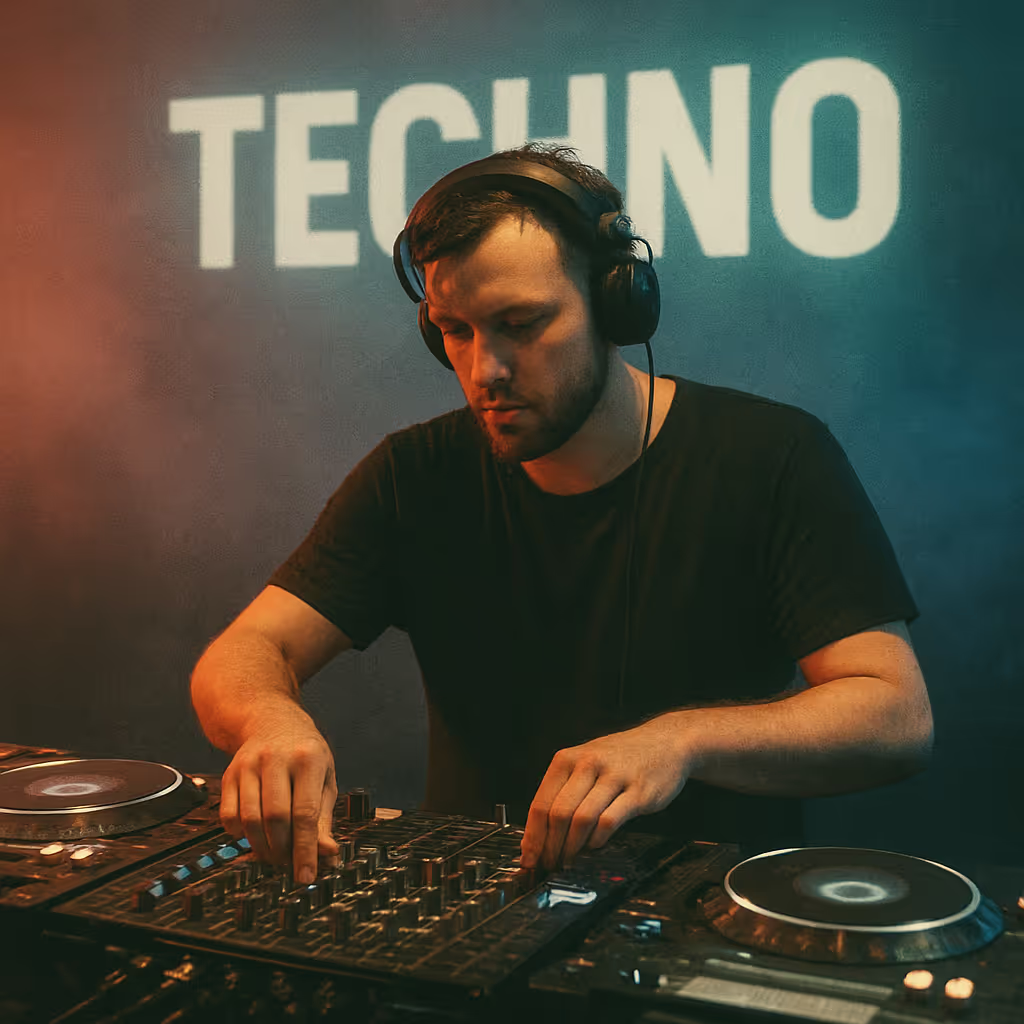
Techno is another cornerstone of EDM, characterized by its repetitive beats and synthesized sounds. Originating in Detroit in the 1980s, techno music is often more experimental and minimalistic than other EDM genres. It is known for its driving rhythms and hypnotic patterns, making it a favorite among electronic music enthusiasts.
Minimal Techno
Minimal techno focuses on simplicity and repetition, using a limited number of elements to create a deep and immersive sound. It often features subtle changes and variations, drawing listeners into a trance-like state. Minimal techno is popular in underground clubs and is appreciated for its meditative and introspective qualities.
Detroit Techno
Detroit techno is the original form of techno music, characterized by its futuristic and industrial sound. It emerged in the 1980s in Detroit and was heavily influenced by the city's urban environment and technological advancements. Detroit techno laid the foundation for the global techno movement and continues to inspire artists worldwide.
Acid Techno
Acid techno is known for its use of the Roland TB-303 synthesizer, which produces a distinctive squelching sound. It combines elements of techno and acid house, resulting in a high-energy and psychedelic experience. Acid techno is often associated with the rave scene and is celebrated for its intense and mind-altering qualities.
Trance
Trance music is known for its melodic and uplifting sound, often featuring long build-ups and breakdowns that create a euphoric atmosphere. Trance is characterized by its emotional and spiritual qualities, making it a favorite among festival-goers and electronic music enthusiasts.
Vocal Trance
Vocal trance combines the elements of trance music with vocals, creating a harmonious blend of melody and lyrics. It often features ethereal and emotive vocal performances, adding a layer of depth and emotion to the music. Vocal trance is celebrated for its ability to evoke powerful feelings and connect with listeners on a personal level.
Psytrance
Psytrance, short for psychedelic trance, is a subgenre known for its fast tempo and mind-bending soundscapes. It often incorporates complex rhythms and intricate patterns, creating an immersive and otherworldly experience. Psytrance is popular at outdoor festivals and is associated with the psychedelic and counterculture movement.
Progressive Trance
Progressive trance is characterized by its smooth transitions and gradual build-ups, creating a seamless and captivating journey for listeners. It often features melodic elements and atmospheric sounds, providing a sense of progression and evolution. Progressive trance is favored by DJs for its ability to create a cohesive and immersive set.
Dubstep
Dubstep is a bass-heavy genre that originated in London in the late 1990s. It is characterized by its syncopated rhythms and wobble bass, creating a distinct and powerful sound. Dubstep has influenced many other genres and remains a popular choice for EDM enthusiasts seeking intense and energetic music.
Brostep
Brostep is a subgenre of dubstep known for its aggressive and heavy sound. It often features distorted basslines and high-energy drops, creating a chaotic and exhilarating experience. Brostep gained popularity in the early 2010s and is associated with artists like Skrillex and Excision.
Riddim
Riddim is a subgenre of dubstep characterized by its repetitive and minimalistic structure. It often features simple and catchy rhythms, creating a hypnotic and danceable groove. Riddim is popular in underground bass music scenes and is celebrated for its infectious and head-nodding quality.
Chillstep
Chillstep combines elements of dubstep with ambient and downtempo music, creating a relaxed and soothing sound. It often features lush melodies and atmospheric textures, providing a calming and introspective listening experience. Chillstep is favored by listeners seeking a more tranquil and meditative take on dubstep.
Drum and Bass
Drum and bass, often abbreviated as DnB, is a fast-paced genre characterized by its complex breakbeats and heavy basslines. Originating in the UK, DnB has several subgenres, including liquid, jungle, and neurofunk, each with its unique style and sound.
Liquid Drum and Bass
Liquid drum and bass is known for its smooth and melodic sound, often incorporating elements of jazz and soul. It features lush pads and intricate drum patterns, creating a relaxing and atmospheric experience. Liquid DnB is celebrated for its ability to blend energetic rhythms with soothing melodies.
Jungle
Jungle is a subgenre of drum and bass characterized by its fast breakbeats and reggae influences. It often features chopped-up samples and syncopated rhythms, creating a dynamic and energetic sound. Jungle emerged in the early 1990s and is associated with the rave and sound system culture.
Neurofunk
Neurofunk is a subgenre of drum and bass known for its dark and futuristic sound. It often features complex basslines and intricate rhythms, creating a deep and immersive experience. Neurofunk is popular in underground bass music scenes and is celebrated for its technical and innovative production.
Trap
Trap music combines elements of hip-hop with electronic music, known for its aggressive sound and heavy basslines. It often features snare rolls and hi-hats, creating a distinctive and energetic rhythm. Trap has become increasingly popular in the EDM scene, with artists blending it with other genres to create new and exciting sounds.
Hybrid Trap
Hybrid trap combines elements of trap music with other EDM genres, creating a fusion of sounds and styles. It often features heavy drops and intricate sound design, resulting in a high-energy and dynamic experience. Hybrid trap is popular at festivals and is favored by DJs for its versatility and crowd-pleasing potential.
Future Trap
Future trap is a subgenre characterized by its melodic and futuristic sound. It often features lush synths and atmospheric elements, creating an ethereal and uplifting experience. Future trap is celebrated for its ability to blend trap's rhythmic intensity with melodic and emotional elements.
Hard Trap
Hard trap is known for its aggressive and intense sound, often featuring distorted basslines and powerful drops. It combines elements of trap and hardstyle, resulting in a high-octane and adrenaline-pumping experience. Hard trap is popular in the festival scene and is favored by fans seeking an intense and energetic musical journey.
EDM Styles and Their Cultural Impact
EDM is not just about the music; it's a cultural phenomenon that has influenced fashion, art, and lifestyle. Each subgenre has its unique culture and community, contributing to the diverse and vibrant world of electronic dance music.
Rave Culture
Rave culture is closely associated with EDM, characterized by large dance parties featuring live DJ performances and elaborate light shows. Raves are known for their vibrant atmosphere and sense of community among attendees, creating a space for self-expression and connection. The culture emphasizes inclusivity, freedom, and the shared experience of music and dance.

The Origins of Rave Culture
Rave culture originated in the late 1980s and early 1990s, emerging from the underground club scenes in cities like London, Berlin, and New York. It was a response to the commercialization of mainstream music and nightlife, offering an alternative space for people to gather and celebrate music. Raves were often held in unconventional locations, such as warehouses and outdoor fields, adding to their mystique and allure.
The Role of DJs in Rave Culture
DJs play a crucial role in rave culture, serving as the conductors of the musical journey and guiding the energy of the crowd. They curate and mix tracks to create a seamless and immersive experience, using their skills to build tension and release throughout the night. The DJ's ability to read the crowd and respond to their energy is essential in creating the magic of a rave.
The Evolution of Rave Fashion
Rave fashion is an integral part of the culture, characterized by its bold and eclectic style. It often features bright colors, neon accents, and unique accessories, allowing individuals to express their creativity and individuality. As rave culture has evolved, so has its fashion, with trends influenced by music, art, and technology.
Festivals
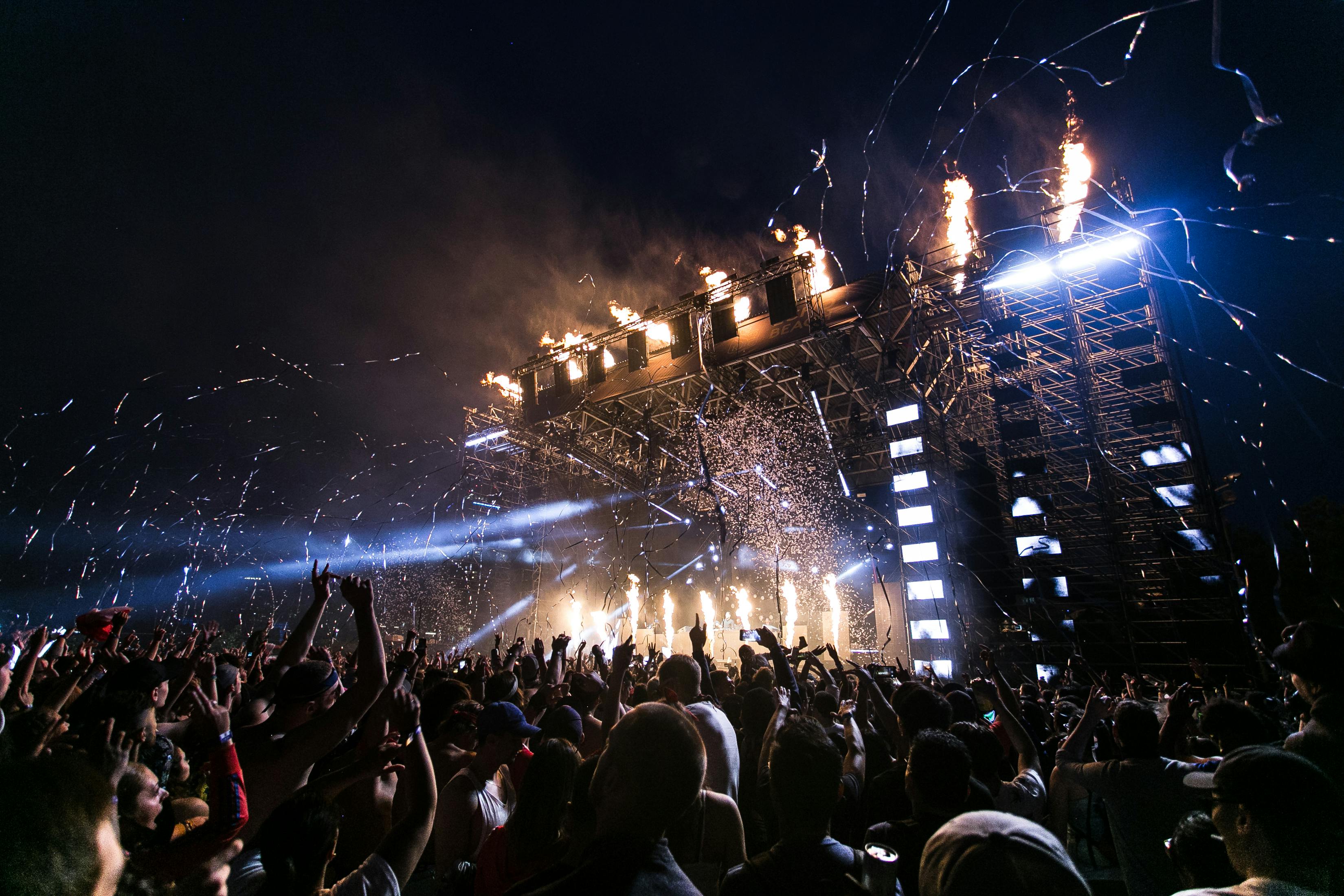
EDM festivals have become a global phenomenon, attracting millions of fans each year. These events showcase the diversity of EDM subgenres and styles, providing a platform for artists to connect with audiences and share their music. Festivals like Tomorrowland, Ultra Music Festival, and Electric Daisy Carnival are celebrated for their immersive experiences and sense of community.
The Growth of EDM Festivals
The popularity of EDM festivals has grown exponentially over the years, with events taking place on every continent. These festivals have become cultural landmarks, drawing attendees from around the world to celebrate music, art, and community. The scale and production value of these events have also increased, with elaborate stage designs, light shows, and interactive installations enhancing the overall experience.
The Impact of EDM Festivals on Local Economies
EDM festivals have a significant impact on local economies, attracting tourists and generating revenue for host cities. They create jobs in the hospitality, event planning, and entertainment industries, contributing to the economic growth of the region. Additionally, festivals often collaborate with local businesses and vendors, supporting the local community and fostering partnerships.
The Future of EDM Festivals
The future of EDM festivals looks promising, with innovations in technology and sustainability shaping the next generation of events. Organizers are exploring new ways to enhance the festival experience, incorporating virtual reality, augmented reality, and eco-friendly practices. As the demand for immersive and inclusive experiences continues to grow, EDM festivals will continue to evolve and adapt to meet the needs of their audiences.
Club Music
EDM is a staple in nightclubs around the world, providing the soundtrack to countless nights of dancing and celebration. Different subgenres cater to different moods and settings, making EDM a versatile choice for club music. The club scene plays a crucial role in the development and dissemination of EDM, serving as a testing ground for new sounds and styles.
The Role of Nightclubs in EDM Culture
Nightclubs have been instrumental in the growth and evolution of EDM, providing a space for artists and fans to connect and share their passion for music. They serve as hubs for creativity and experimentation, where new tracks and subgenres are tested and refined. The intimate and energetic atmosphere of clubs allows for a unique and personal experience, fostering a sense of community and belonging.
The Diversity of Club Music
Club music encompasses a wide range of styles and subgenres, each offering something unique to the dancefloor. From the infectious rhythms of house to the hypnotic beats of techno, club music caters to diverse tastes and preferences. DJs curate their sets to create a dynamic and engaging experience, keeping the energy high and the crowd moving.
The Future of Club Music
The future of club music is shaped by technological advancements and changing cultural trends. As new sounds and production techniques emerge, club music will continue to evolve and adapt to the preferences of audiences. Additionally, the integration of technology, such as AI-driven music curation and immersive audio experiences, will enhance the clubbing experience, creating new possibilities for connection and expression.
EDM's Global Influence
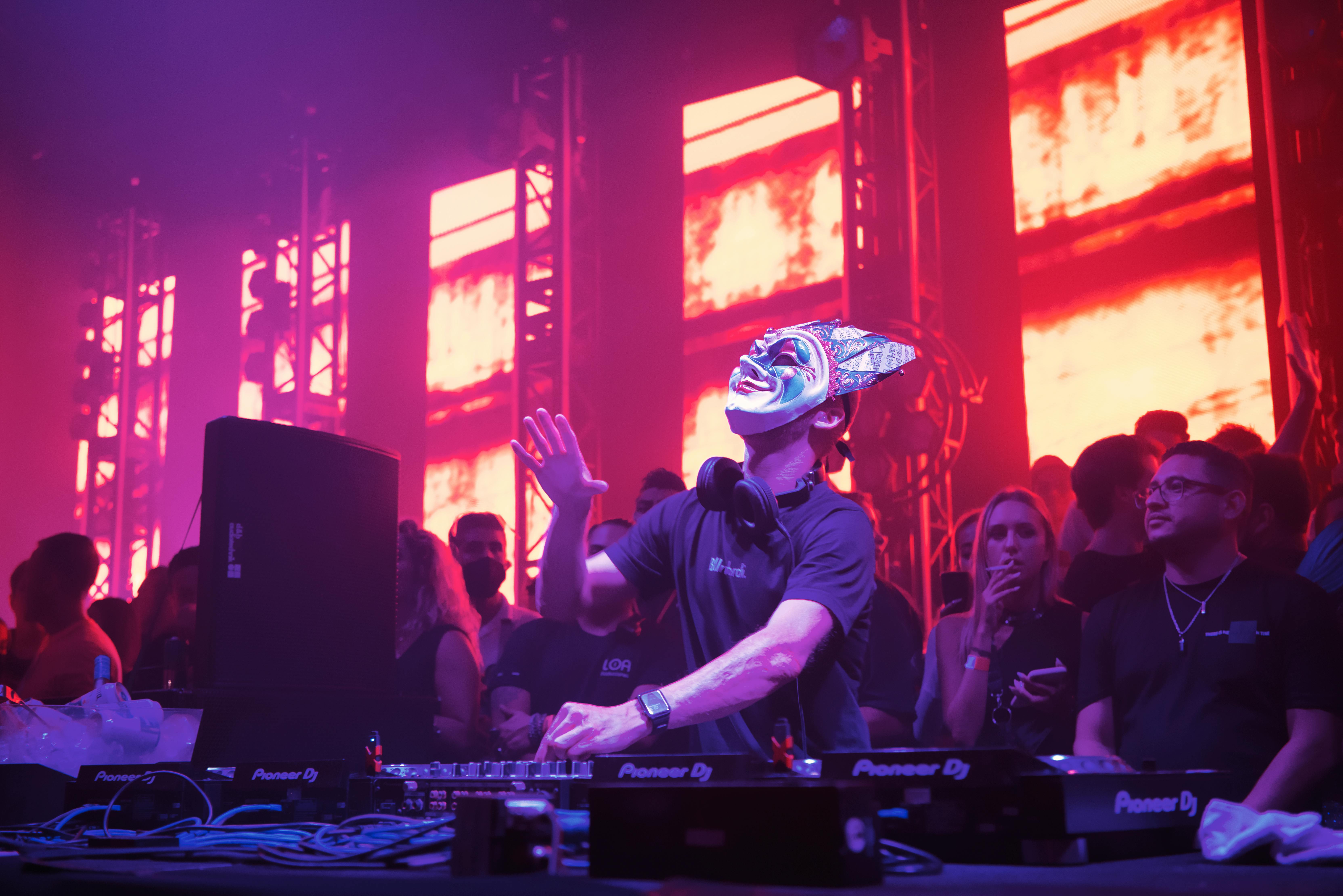
EDM has transcended cultural and geographical boundaries, influencing music scenes worldwide. From the underground clubs of Berlin to the massive festivals in Las Vegas, EDM's global reach is undeniable. The genre's ability to connect people through music and create a sense of unity has made it a powerful cultural force.
The Rise of EDM in Asia
In recent years, EDM has gained significant popularity in Asia, with countries like China, Japan, and South Korea embracing the genre. Local DJs and producers are making a mark on the international stage, showcasing their unique sounds and styles. The growth of EDM in Asia has led to the emergence of new festivals and events, attracting fans from around the world.
China's EDM Scene
China's EDM scene has experienced rapid growth, with major cities hosting large-scale festivals and events. The country's burgeoning middle class and growing interest in Western culture have contributed to the rise of EDM, with local artists gaining recognition on the global stage. China's unique blend of traditional and electronic music has given rise to innovative sounds and styles.
Japan's Love for EDM
Japan has a long-standing love for electronic music, with a vibrant club scene and a deep appreciation for EDM. The country's rich cultural heritage and technological advancements have influenced the development of unique subgenres and styles. Japanese DJs and producers are celebrated for their creativity and innovation, making a significant impact on the global EDM scene.
South Korea's EDM Boom
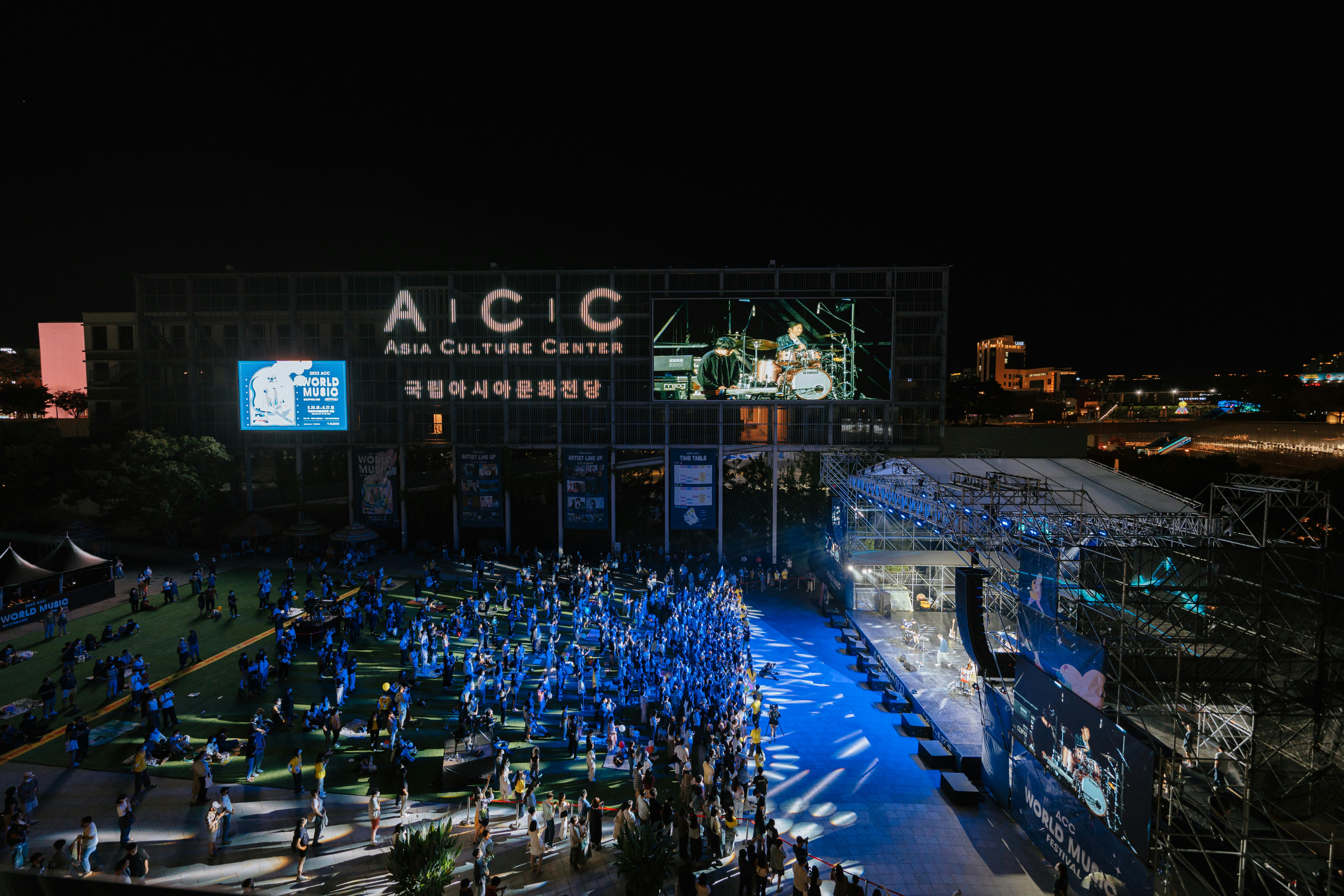
South Korea's EDM scene has exploded in recent years, with festivals and events attracting large crowds. The country's enthusiastic and passionate fanbase has helped propel local artists to international fame, with K-pop and EDM collaborations gaining popularity. South Korea's EDM scene is known for its energy and excitement, with a strong focus on live performances and visual experiences.
EDM in Latin America
Latin America has a vibrant and diverse EDM scene, with festivals and events drawing large crowds and showcasing the region's unique blend of traditional and electronic music. The fusion of cultural influences has given rise to innovative sounds and styles, making Latin America a hub for creativity and experimentation in the EDM world.
Brazil's EDM Festivals
Brazil is home to some of the largest and most popular EDM festivals in Latin America, attracting thousands of fans from around the world. Events like Lollapalooza and Rock in Rio feature international and local artists, showcasing the diversity and energy of the Brazilian EDM scene. The country's rich musical heritage and vibrant culture contribute to the unique and dynamic atmosphere of these festivals.
Mexico's Electronic Music Evolution
Mexico's electronic music scene has evolved significantly over the years, with a growing number of festivals and events celebrating EDM. The country's close proximity to the United States and its cultural connections have influenced the development of unique sounds and styles. Mexican DJs and producers are gaining recognition for their innovative and genre-blending music, making a mark on the international stage.
Argentina's Passion for EDM
Argentina has a passionate and dedicated EDM fanbase, with festivals and events drawing large crowds. The country's love for electronic music is evident in the vibrant club scene and the success of local artists on the global stage. Argentina's EDM scene is known for its energy and enthusiasm, with fans embracing a wide range of subgenres and styles.
Conclusion
EDM is a diverse and ever-evolving genre that continues to captivate audiences worldwide. From its origins in the underground clubs of the 1980s to its current status as a global cultural phenomenon, EDM's influence is undeniable. Whether you're a seasoned fan or new to the genre, understanding the various subgenres and styles can enhance your appreciation of electronic dance music.
With this guide, you now have a comprehensive overview of EDM's origins, popular subgenres, and cultural impact. So, put on your favorite EDM track and let the music take you on a journey through the electrifying world of electronic dance music. Whether you're dancing at a club, attending a festival, or enjoying a quiet night at home, EDM offers a soundtrack to life's most memorable moments.
