
.avif)
In the world of music production, the choice of a Digital Audio Workstation (DAW) is pivotal. The right DAW can significantly impact your workflow, creativity, and ultimately, the music you produce. With a plethora of options available, each boasting unique features and capabilities, the decision-making process can be daunting. Whether you're a novice eager to explore music creation or a seasoned producer in search of top-notch music software, having a deep understanding of the various DAWs will empower you to make a well-informed choice that aligns with your artistic vision and technical requirements.
A DAW is a comprehensive software suite designed for recording, editing, mixing, and producing audio files. At its core, a DAW serves as the central hub for music production, enabling musicians to compose, arrange, and manipulate sound elements to craft their desired tracks. This powerful toolset includes a multitude of virtual instruments, audio effects, and plugins that enhance the music production process, making it indispensable in both home studios and professional recording environments.
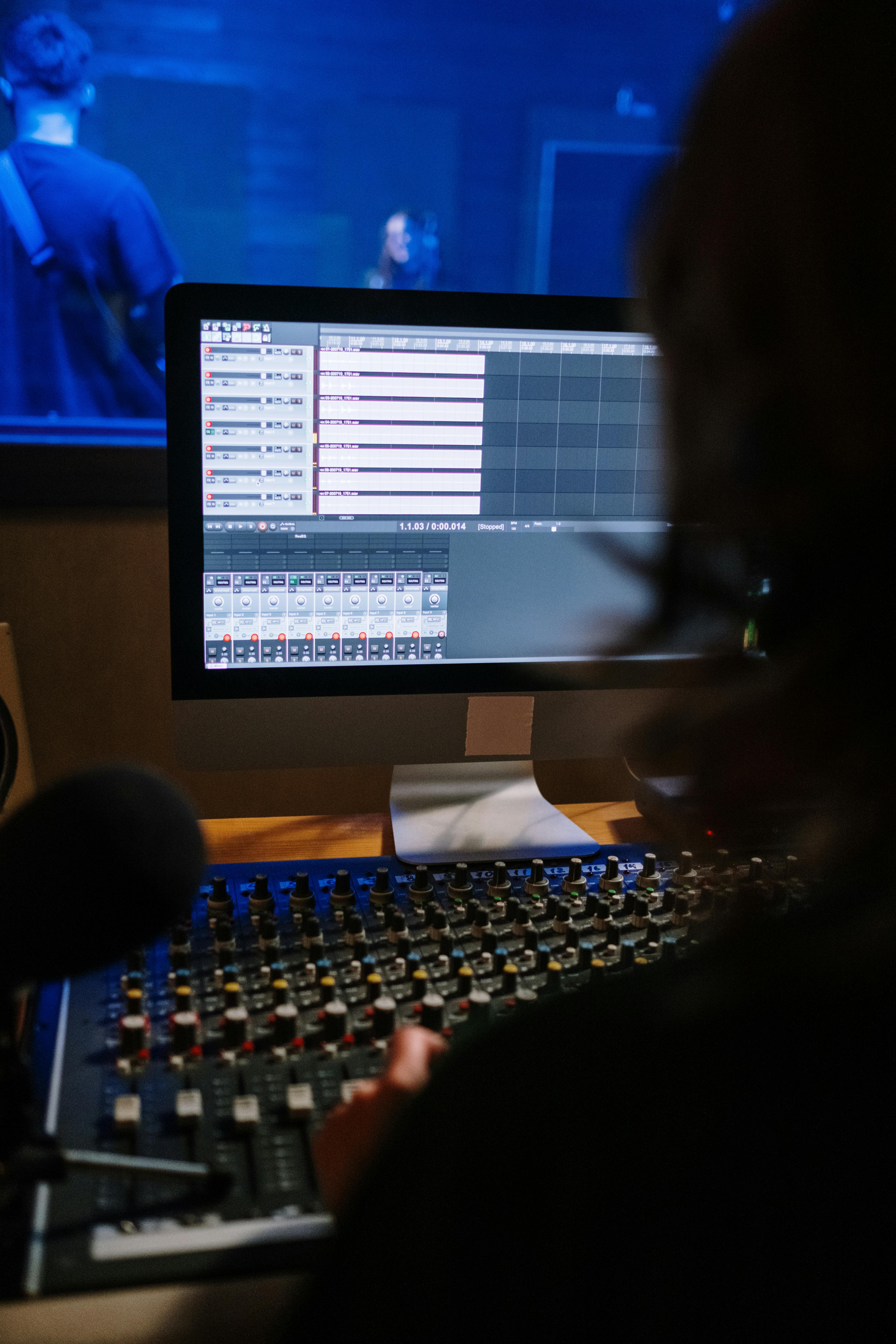
The primary components of a DAW include a multitrack timeline, a mixer, and a suite of editing tools. The multitrack timeline allows users to layer multiple audio tracks, enabling complex compositions. The mixer provides a virtual console for adjusting levels, pan, and effects for each track, facilitating precise sound balancing. Editing tools within a DAW offer capabilities such as cutting, fading, and pitch correction, empowering users to refine their audio recordings with precision.
A distinguishing feature of DAWs is their compatibility with plugins and virtual instruments. Plugins are additional software components that can be integrated into a DAW to expand its capabilities, offering effects like reverb, delay, and compression. Virtual instruments simulate real-world instruments, allowing producers to incorporate a vast array of sounds into their compositions. This versatility makes DAWs a cornerstone in any musician's toolkit, providing endless creative possibilities.
Starting your journey in music production requires the right tools that can ease the learning curve. Here are some DAWs that are particularly well-suited for beginners:
- GarageBand, a favorite among newcomers, especially for Mac users, offers an intuitive interface that's both user-friendly and feature-rich. It includes a wide range of virtual instruments and pre-recorded loops, providing a robust foundation for budding musicians. With its easy-to-navigate design and seamless integration with other Apple products, GarageBand serves as an excellent entry point into the world of music production. Its simplicity empowers users to focus on creativity without getting bogged down by technical complexities.
- Ableton Live Lite is a streamlined version of the renowned Ableton Live software, designed to provide essential features for music creation and live performance. Its unique session view allows beginners to experiment with looping and live arrangements, fostering a hands-on approach to music-making. The software's intuitive interface and interactive workflow make it ideal for those eager to explore live music production. Ableton Live Lite encourages experimentation, enabling users to express their creativity in dynamic ways.
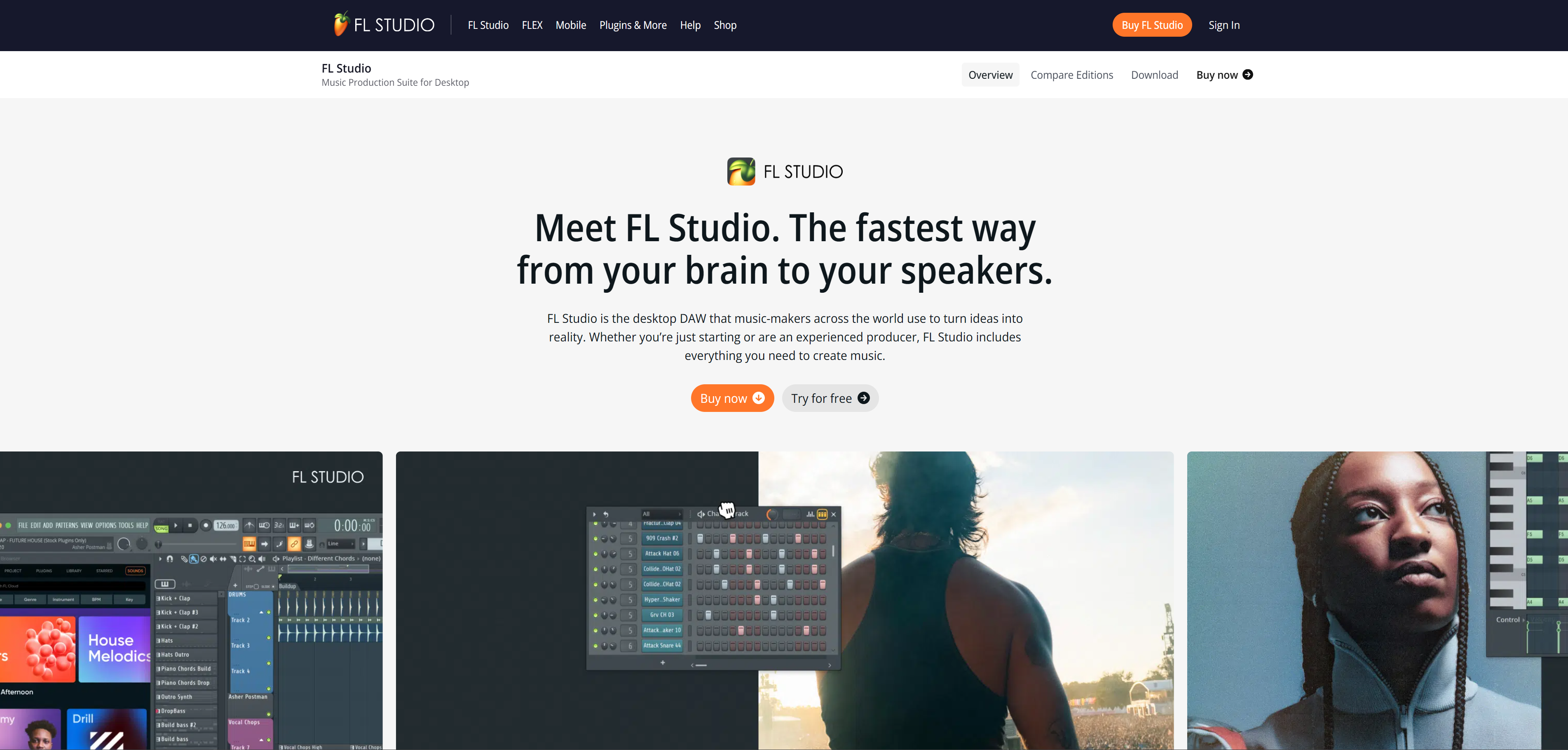
- FL Studio is hailed as one of the best digital audio workstations for beginners, thanks to its intuitive interface and extensive library of built-in instruments and effects. Its pattern-based workflow, which allows users to create music using loops and sequences, is particularly appealing to newcomers. This approach simplifies the music-making process, enabling users to focus on crafting melodies and beats effortlessly. FL Studio's versatility and comprehensive feature set make it a compelling choice for aspiring producers.
For those seeking professional-grade DAWs, these top-rated music software options are industry standards:
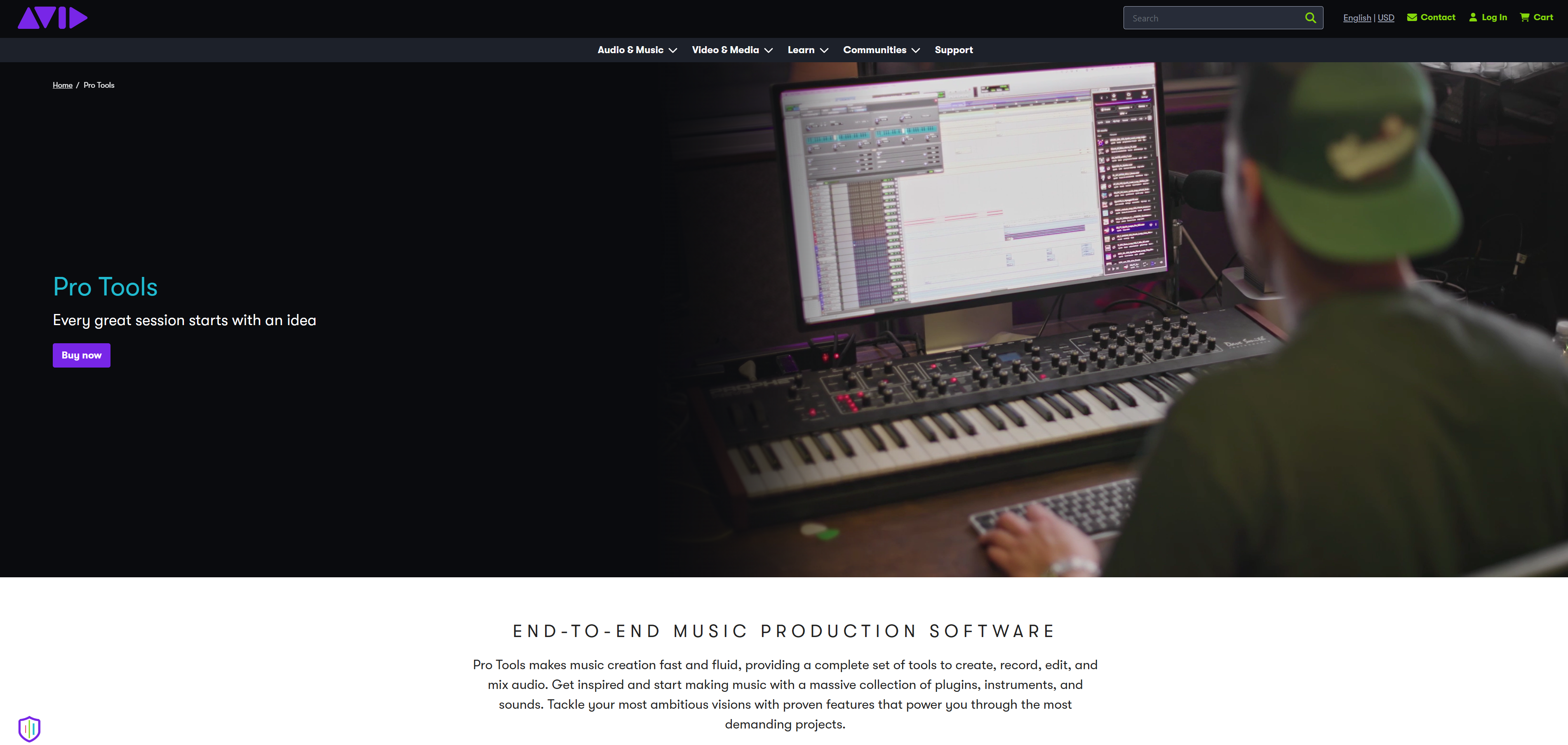
- Pro Tools is a staple in the professional music industry, renowned for its powerful editing capabilities and high-quality sound. Often considered the industry standard DAW, Pro Tools is widely used in studios across the globe. Its robust features, including advanced audio editing, mixing, and mastering tools, make it an essential choice for professionals. Pro Tools' compatibility with various hardware and its support for high-resolution audio ensure pristine sound quality, making it a preferred choice for studio recording and production.
- Logic Pro X, Apple's flagship music production software, is highly favored by professionals for its comprehensive suite of tools and plugins. It offers an extensive range of features for composing, recording, and mixing music, making it a versatile choice for various genres. Logic Pro X's seamless integration with Apple's ecosystem and its intuitive interface enhance the music production experience. Its powerful MIDI capabilities and vast library of sounds make it a top choice for producers seeking precision and creativity in their work.

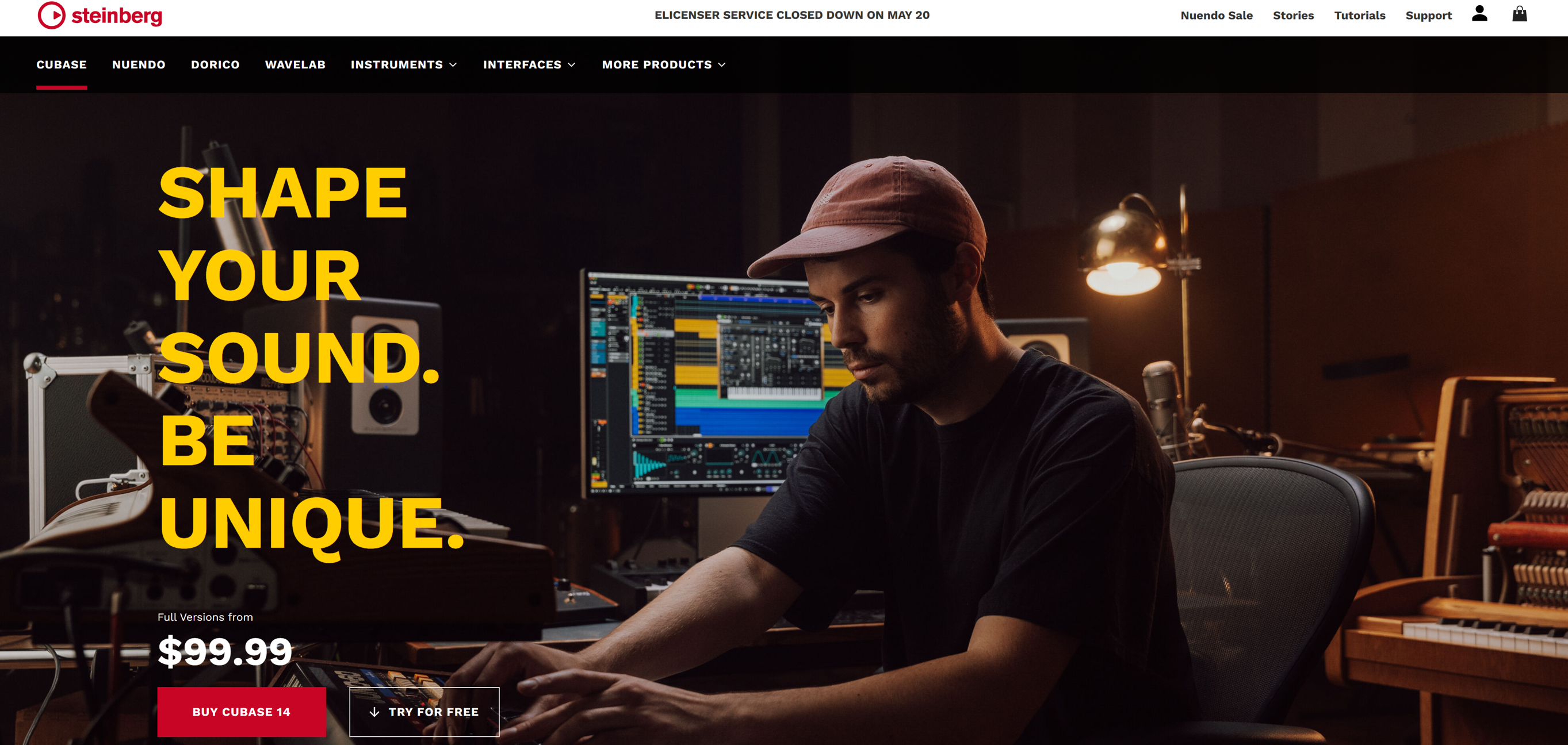
- Cubase is another popular choice for professional music producers, known for its wide array of features for recording, editing, and arranging music. Its versatility makes it suitable for various genres and production styles, from orchestral compositions to electronic music. Cubase's advanced audio engine and comprehensive mixing console provide producers with the tools needed to achieve professional-grade sound. Its flexibility and robust feature set make Cubase a go-to DAW for producers looking to push the boundaries of their creativity.
Setting up a home studio requires a DAW that balances functionality and ease of use. Here are some of the best DAWs for home recording:
- Reaper is celebrated for its affordability and extensive customization options, making it an excellent choice for home studios. It offers a vast array of features at a fraction of the cost of other DAWs, providing exceptional value for money. Reaper's flexible interface and support for a wide range of plugins allow users to tailor their setup to suit their specific needs. Its lightweight design ensures smooth performance on various systems, making it a favorite among home studio enthusiasts seeking cost-effective solutions.

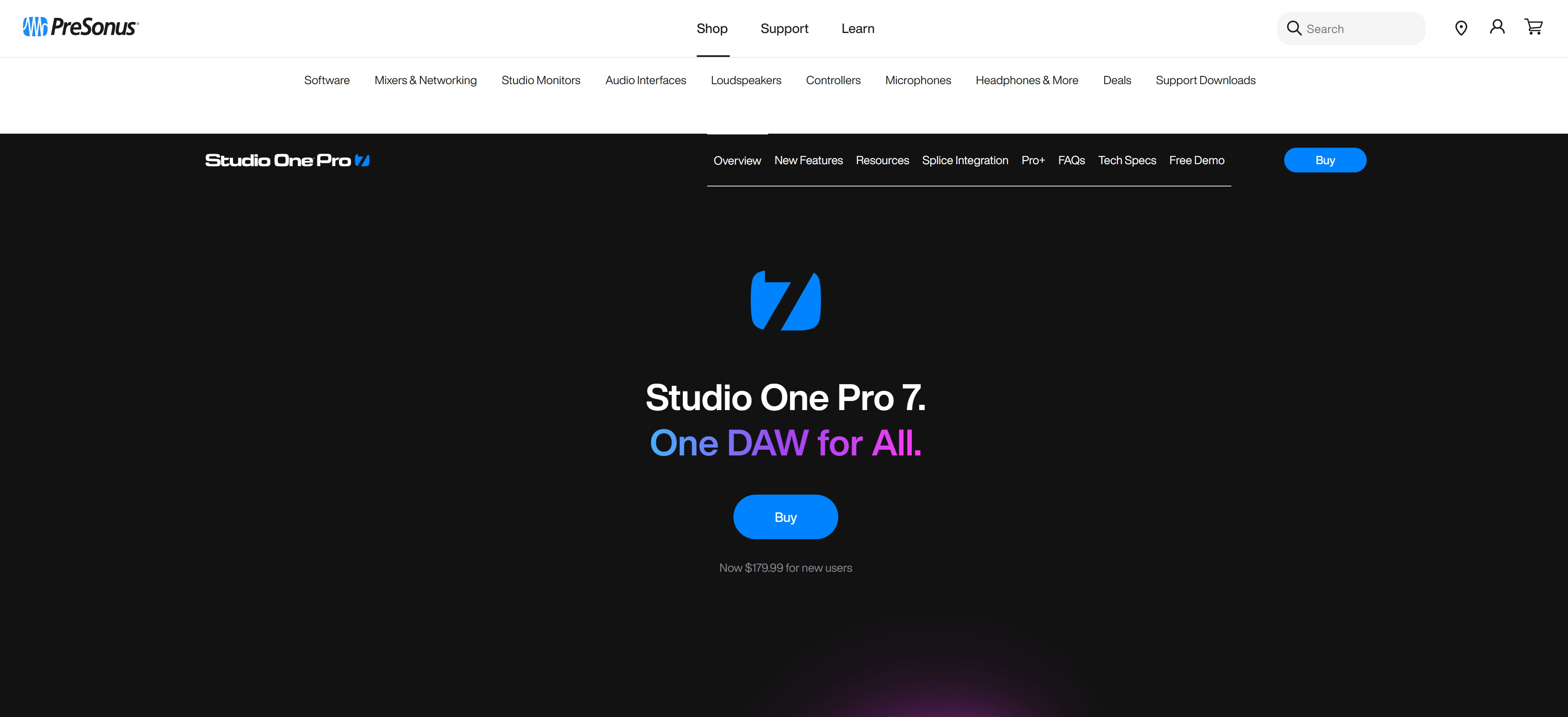
- Studio One by PreSonus is designed with home recording in mind, offering a drag-and-drop functionality that simplifies the music-making process. Its intuitive interface and seamless workflow make it a favorite among home studio users. Studio One's integrated mastering suite and innovative features, such as Scratch Pads and Arranger Tracks, facilitate efficient music production. With its focus on ease of use and creative freedom, Studio One empowers home producers to bring their musical ideas to life effortlessly.
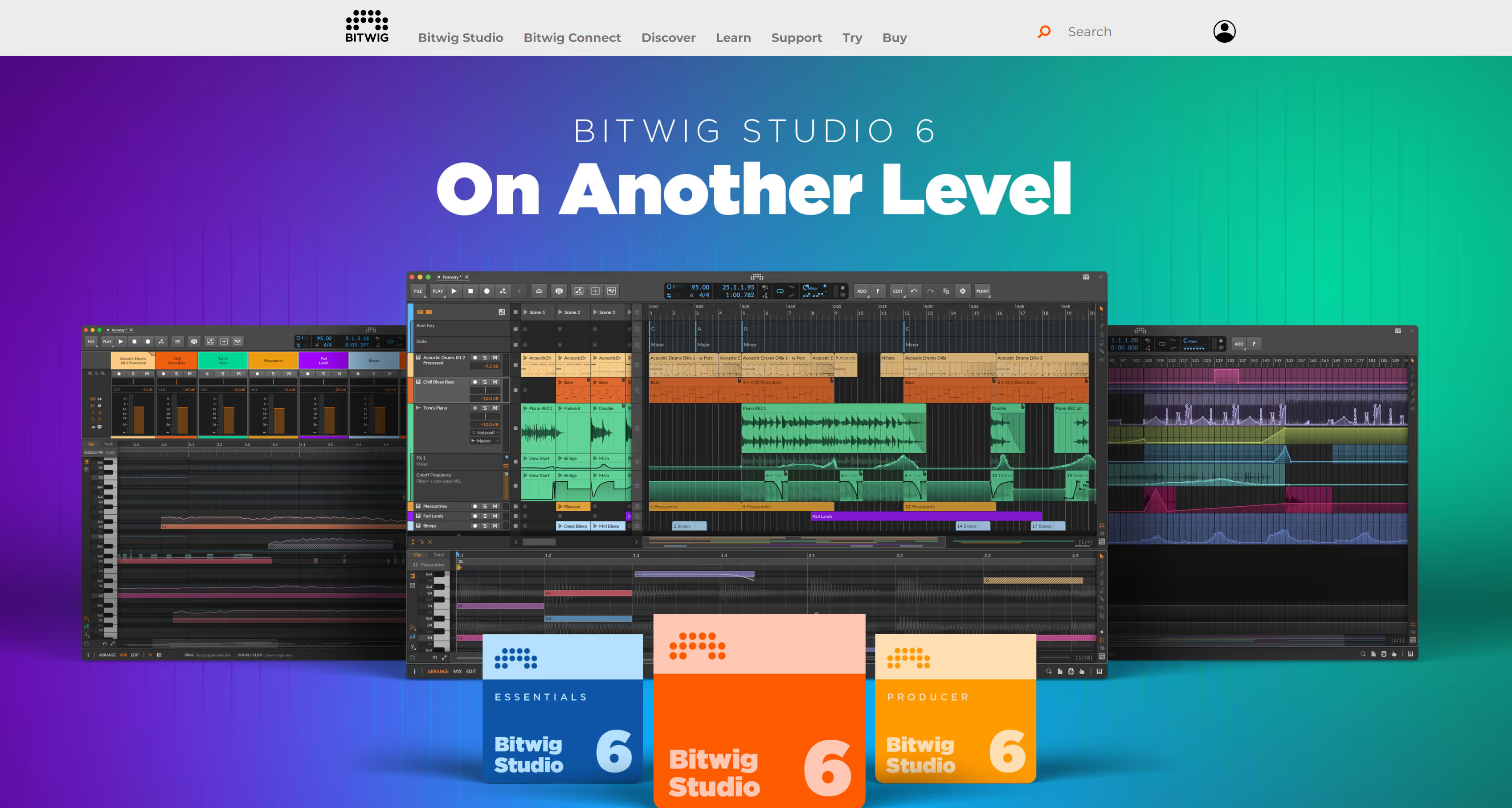
- Bitwig Studio is a versatile DAW that offers a unique modular approach to music production, making it suitable for home studios looking for creative freedom. Its flexible interface and powerful editing tools provide users with the ability to experiment and innovate. Bitwig Studio's modular environment encourages creativity, allowing users to customize their workflow and explore new sonic possibilities. This adaptability, combined with its robust feature set, makes Bitwig Studio a compelling choice for producers seeking a unique and inspiring music-making experience.
For those seeking affordable options, several DAWs offer budget-friendly pricing without compromising on quality:
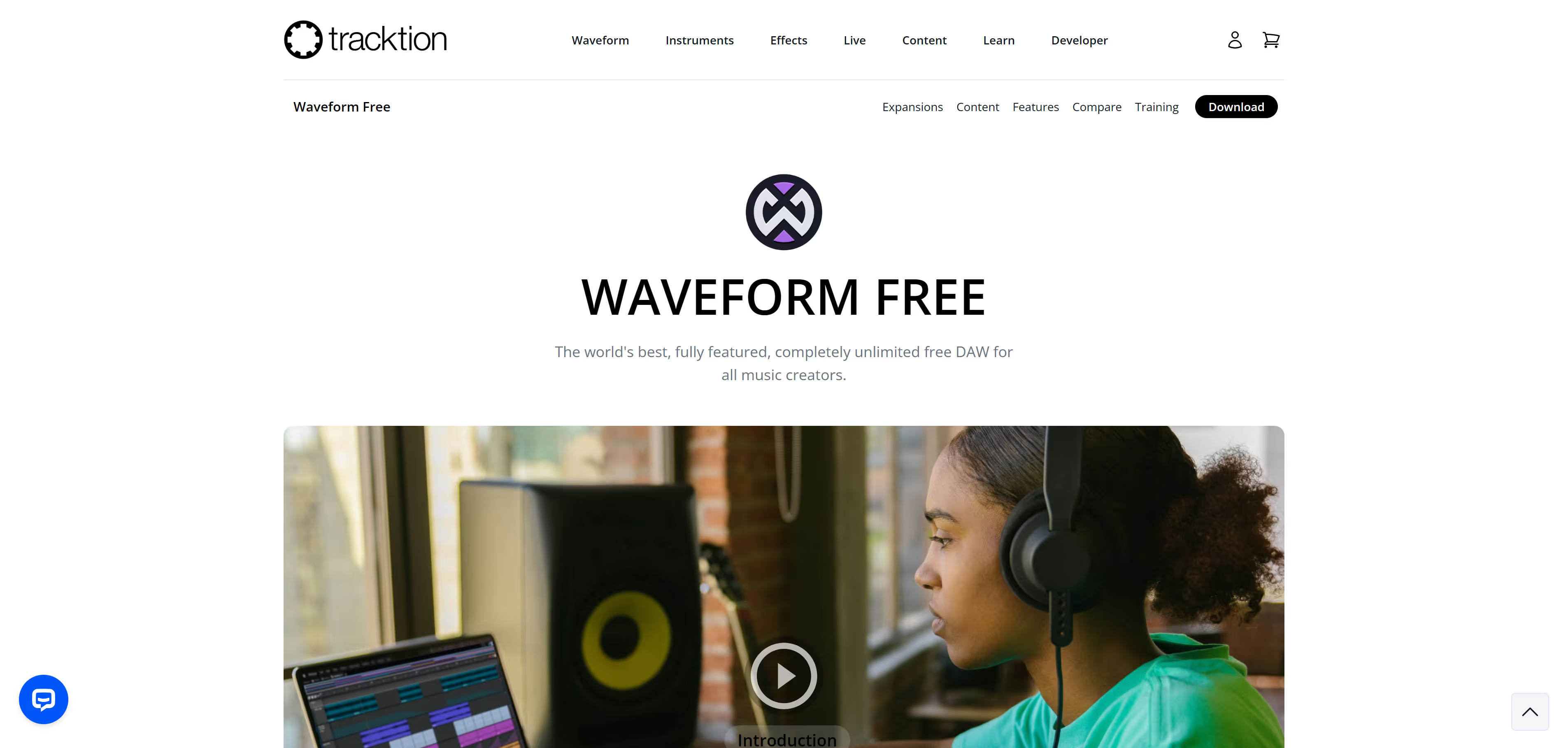
- Tracktion Waveform offers a free version with essential features, and its paid versions are competitively priced, making it a cost-effective choice for beginners. Its flexible interface and innovative workflow cater to various music production styles, providing users with the tools needed to create professional-quality music. Tracktion Waveform's commitment to accessibility and affordability makes it an attractive option for those seeking a budget-friendly DAW without sacrificing functionality.
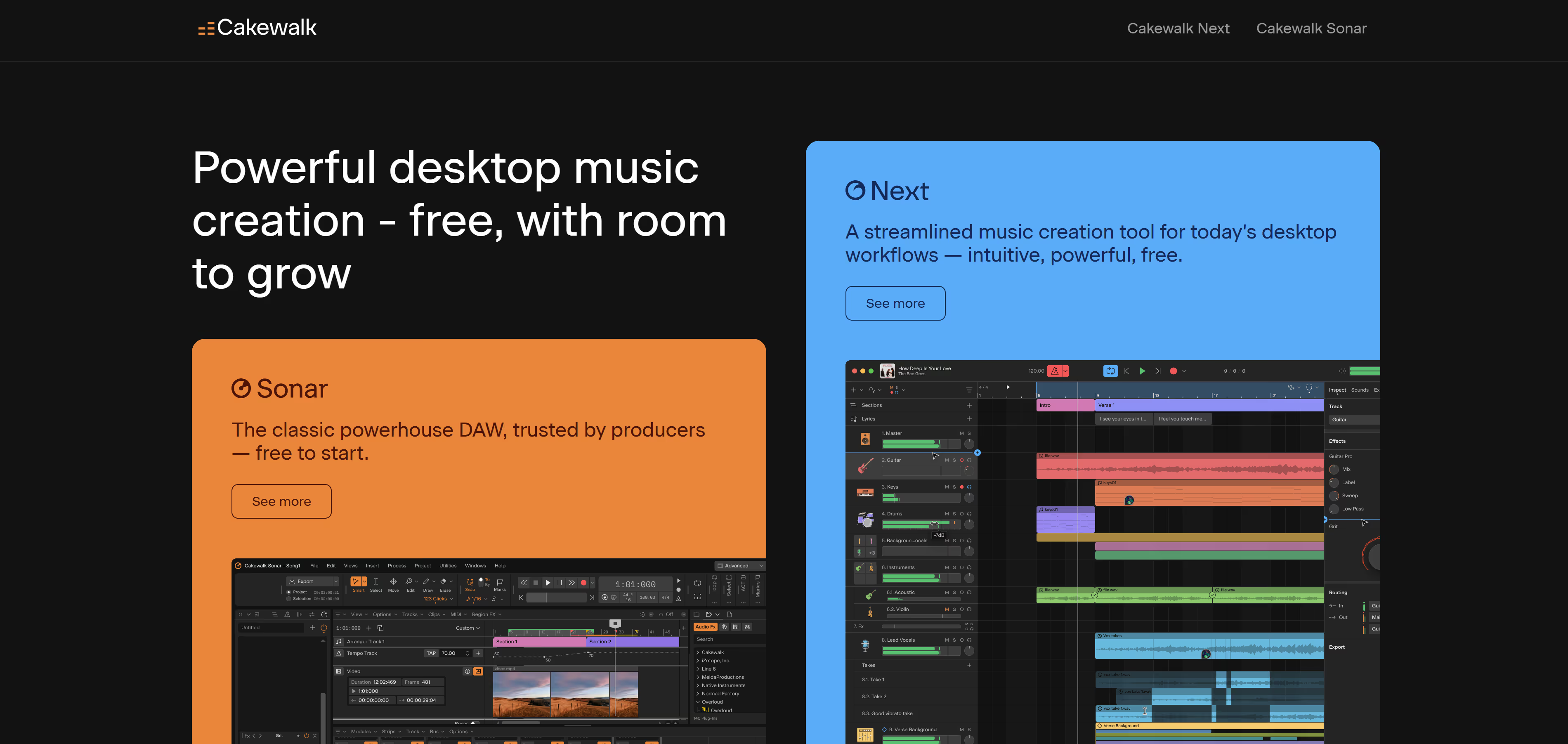
- Cakewalk by BandLab is a free DAW for Windows users, offering professional-quality tools and features without any cost. Its comprehensive suite of recording, editing, and mixing capabilities rivals those of paid DAWs, making it an exceptional choice for budget-conscious producers. Cakewalk's robust feature set and seamless integration with BandLab's online platform provide users with a powerful and cost-effective music production solution.
Selecting the best DAW depends on your specific needs, budget, and the type of music you want to produce. Here are some factors to consider when choosing a DAW:
- When choosing a DAW, it's crucial to ensure compatibility with your operating system. Some DAWs are exclusive to Mac or Windows, while others are cross-platform, providing flexibility for users with different setups. Verify that the DAW you select supports your hardware and software environment to avoid compatibility issues. A seamless integration with your existing setup will streamline your workflow and enhance your music production experience.
- Consider the features that are most important for your music production needs. Whether it's MIDI support, virtual instruments, or plugin compatibility, ensure the DAW you select offers the tools you require. Evaluate the DAW's editing capabilities, automation features, and support for third-party plugins to ensure it aligns with your creative workflow. A DAW with the right feature set will empower you to bring your musical ideas to life with precision and creativity.
- DAWs range in price from free to several hundred dollars, making it essential to determine your budget and explore options that fit within it. Consider the value offered by each DAW, taking into account its features, support, and future updates. Keep in mind that some DAWs offer free versions or trial periods, allowing you to test them before committing. A well-chosen DAW will provide a balance between cost and functionality, ensuring a worthwhile investment in your music production journey.
- Consider your level of experience and how quickly you want to start producing music. Some DAWs are more beginner-friendly, offering intuitive interfaces and guided tutorials, while others may require more time to master. Evaluate the DAW's learning resources, community support, and ease of use to determine how quickly you can become proficient. A DAW that matches your skill level will enable you to focus on creativity and innovation, rather than getting bogged down by technical challenges.
Choosing the best DAW is a deeply personal decision that depends on your music production goals, experience level, and budget. Whether you're looking for the best studio recording software, the most popular digital audio workstations, or the best music production software for beginners, there's a DAW that will meet your needs. By exploring different DAWs and considering the factors outlined in this article, you'll be well on your way to finding the perfect digital audio workstation for your music creation journey. Remember, the right DAW will not only enhance your productivity but also inspire your creativity, allowing you to produce music that resonates with your artistic vision. Happy producing!
