

Let’s chat about mobile vs. traditional music production and how the movement to embrace mobile apps and tools is disrupting the industry. Everyone is feeling the impact of the shift to mobile-first music production—from the artist to the producer level—and we’re only getting started with the real advancement of this tech.
It was just a couple of years ago that everyone was banging out tracks on software like Fruity Loops, but that all changed with the introduction of mobile music production platforms and AI tech. Artists were no longer constrained by the need for a PC and complicated software to make beats and refine their studio work.
Today, everyone has a music studio in their pocket—their phone. The scaling of the tech used in cell phones over the last decade is nothing short of mind-blowing. Today’s devices are powerful, and fast, and many of them have better functionality and features than some of the desktop systems of the past.
Couple the progression in device technology with advancements in software and the progression to AI online platforms, and now we don’t need expensive GPUs and desktop systems to generate a high-quality production studio environment.
We could go on forever about the advancements in tech driving the industry to new frontiers of music creation, but for this post—let’s unpack a music production comparison between traditional studios and modern mobile music production apps.
Mobile Music Production Vs. A Traditional Studio—Key Differences
Let’s start the comparison by looking at key elements of traditional and mobile studios—the hardware the software, and the user experience they offer in the production and post-production sides of the music creation process.
Hardware and Setup—Cost Savings and Maintenance
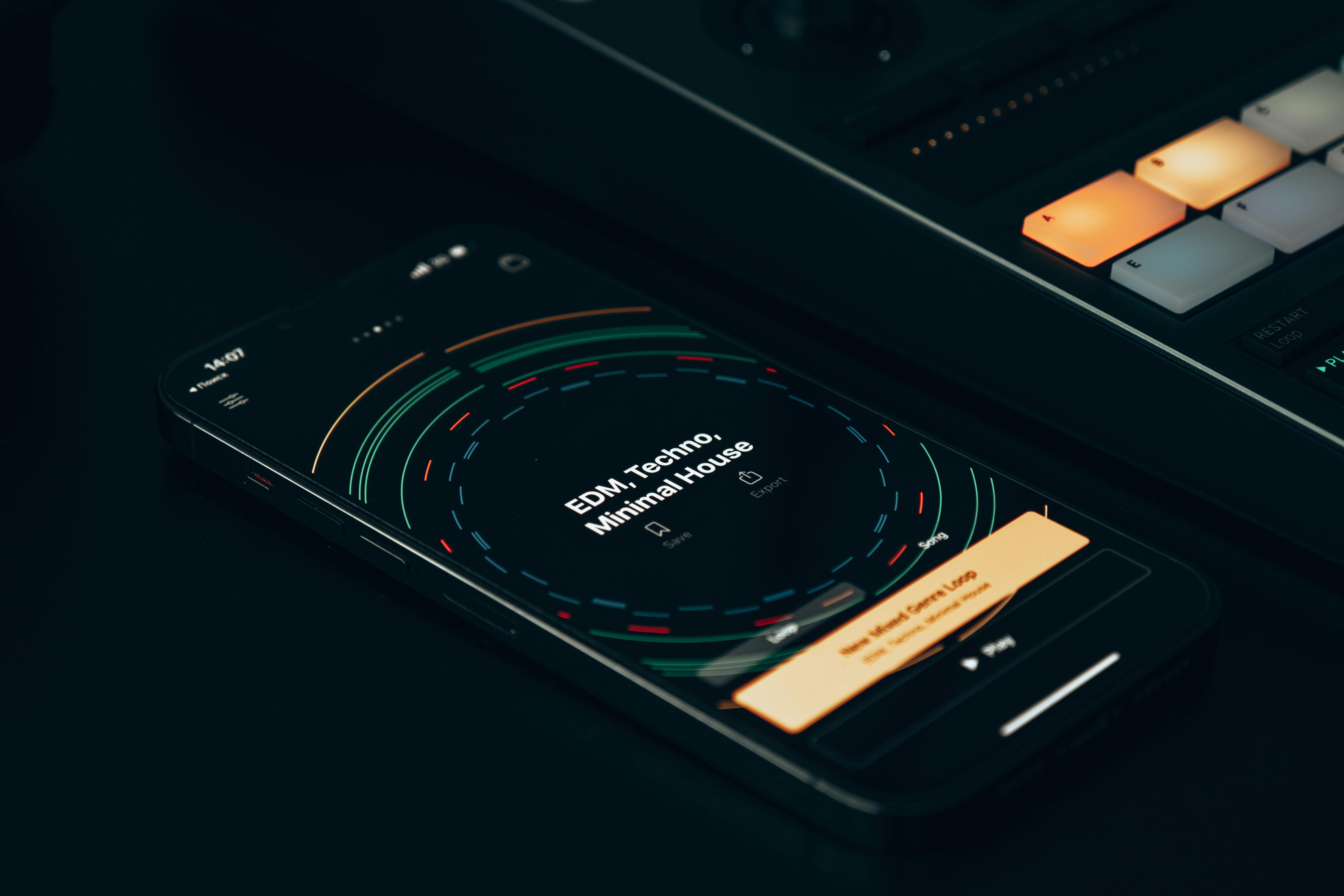
Starting with the hardware, traditional studios are a massive capital investment. Sure, you can start small in your bedroom or basement, but the equipment costs even at an entry level are huge. Mixing boards, mics, soundproofing, the list goes on. Even basic low-end beginner studio equipment costs a fortune, and setting up a professional studio runs into the millions of dollars—that’s why recording time is so pricey.
The only hardware you need for your mobile music studio is your phone. You don’t need a fancy device because these platforms are lightweight and don’t consume many resources from your phone. You get everything you need to make music in a compact device that you use every day anyway.
The cost comparison is just pointless to compare because mobile phones are so affordable and accessible. There’s no studio maintenance costing you thousands of dollars every month, saving you on your project costs.
Creative Flexibility
A studio location is fixed and you can’t take it around with you. You need to book a session and work around that schedule. Even if you’re making music at home with a basic setup, you’re confined to working out of that fixed location.
What happens if you feel inspired to create when you’re away from those venues? A mobile music studio allows you to create on the move, wherever you go. You get a fully controlled production environment adaptable to any location.
Simplified Workflows
There’s a reason why sound engineers sit behind the mixing boards in high-end studios—they spent years studying how to master and edit music. Not only is professional equipment horribly expensive, but it takes a degree in sound engineering to run it. Even if you have a scaled-down version at home and you’re using a software program to make beats, the reality is it takes some time to get used to producing tunes on this software.
The learning curve with mobile-first music production platforms is so much easier to overcome. It literally takes a few minutes to learn how to use all the production features they offer, and you’ll master the production and post-production process after creating a few tracks. There’s no degree required, and no experience in sound engineering needed to make full use of these apps.
Pros and Cons of Mobile vs. Traditional Music Production
Traditional Studio: Pros & Cons

Pros
- Professional sound quality with high-end production and post-production equipment.
- Trained engineers working on mixing and mastering.
- Ideal for high-level artists with deep budgets.
Cons
- Music studios cost millions to build and thousands to manage.
- Paying for studio time is expensive.
- Learning to use pro studio equipment literally requires a degree.
Mobile Music Production: Pros & Cons

Pros
- Accessible from any location, no fixed venue.
- Tools are easy to use and master.
- Professional-grade results for any project.
- No experience needed, no degree required.
- No limitations on creativity thanks to AI generation.
Cons
- Limited mixing and mastering compared to professional traditional setups.
- Not all programs offer the same level of quality and intuitive UX.
It’s Time to Embrace the Mobile Music Production Revolution
When we look at the pros and cons and examine the advantages of mobile-first music production platforms, it’s clear that these modern systems offer a clear advantage to newcomers to the music production scene and up-and-coming artists.
It takes the expense and wasted time out of the production and post-production creative processes, giving artists more time to create and inspire, while dropping the barriers to entry by lowering production and editing costs.
AI-generated music is sweeping the internet, and for good reason. It’s providing a solution to creators, artists, and audiences around the globe. AI generation removes creative blocks, giving you fresh ideas for content, without degrading quality, you get advanced editing and post-production tools right on your phone, without needing to get back to the lab to refine your beats.
If you’re an aspiring artist and you’re looking to drop the costs of working with traditional studio equipment—whether it’s at a professional or amateur level—AI music platforms offer the perfect mobile solution.
Using SOUNDRAW for AI-Generated Mobile Music Production
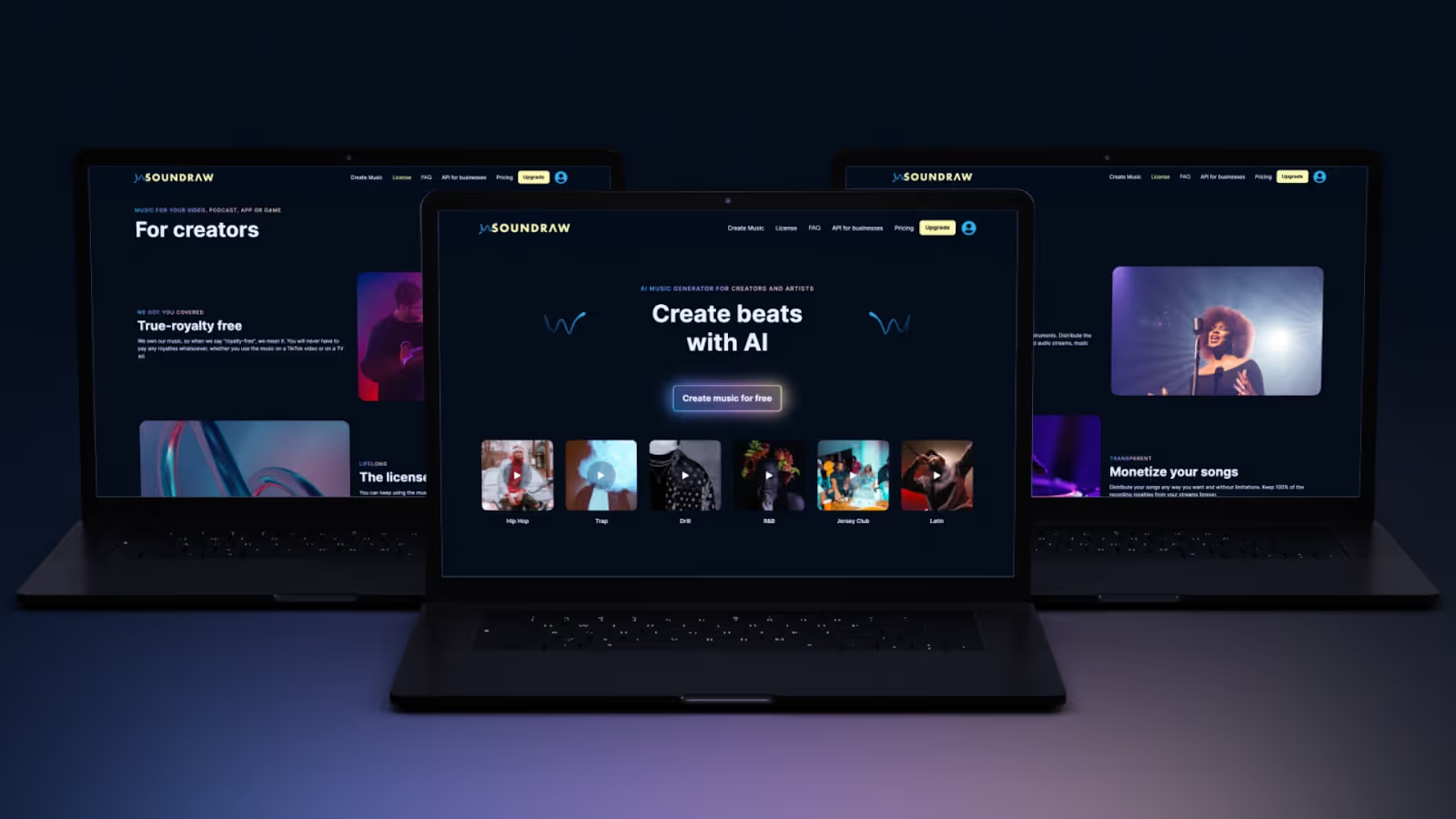
When it comes to recommending the best mobile-first AI music platform, SOUNDRAW studio gets our stamp of approval. This platform offers you everything you need to produce and edit beats, samples, and even full music tracks—in any category or genre.
Beyond the versatility it offers to the creative process, it’s got a suite of mixing and editing tools to help you easily master the post-production process. You get probably the most intuitive UX in the industry, with compatibility for iOS and Android devices.
A five-year-old can learn to make and master music with SOUNDRAW. That’s not to say this platform is over-simplified and produces rubbish projects, the power of the post-production tools blended with the simplicity of learning how to use them means you’ll get the hang of making music on this platform with a few attempts.
SOUNDRAWs unique approach to making AI-generated music is what really sets it apart from other AI platforms. Not only is the music the platform generates utterly outstanding, but you don’t need to enter text-based prompts to start the creative process. It’s a simple click-generated prompting process, with powerful results for your projects.
Wrapping Up – Getting Started with SOUNDRAW
You can give SOUNDRAW a try right now, for free. That’s right, gratis. It’s going to cost you nothing to witness the power of this AI-generated mobile music studio. Just log onto the official website and click the “Create Music” button to kick things off. You don’t even need to register an account to get started.
If you like the feel of SOUNDRAW and want to download the track you created, there’s the option of subscribing to platform. Packages range from $12.99 per month to $64.99 monthly, depending on how you want it to fit into your production needs.
One things abundantly clear—mobile-first AI music tools are a glimpse into what’s in store for the music production and post-production industry. This tech is only getting started, and with advancements in AI arriving at breakneck speed, it won’t be long before the traditional studio is a relic of the past.
